Why HVAC Companies Need 24/7 Phone Coverage (Or Lose Jobs)
The Hard Truth About After-Hours HVAC Calls
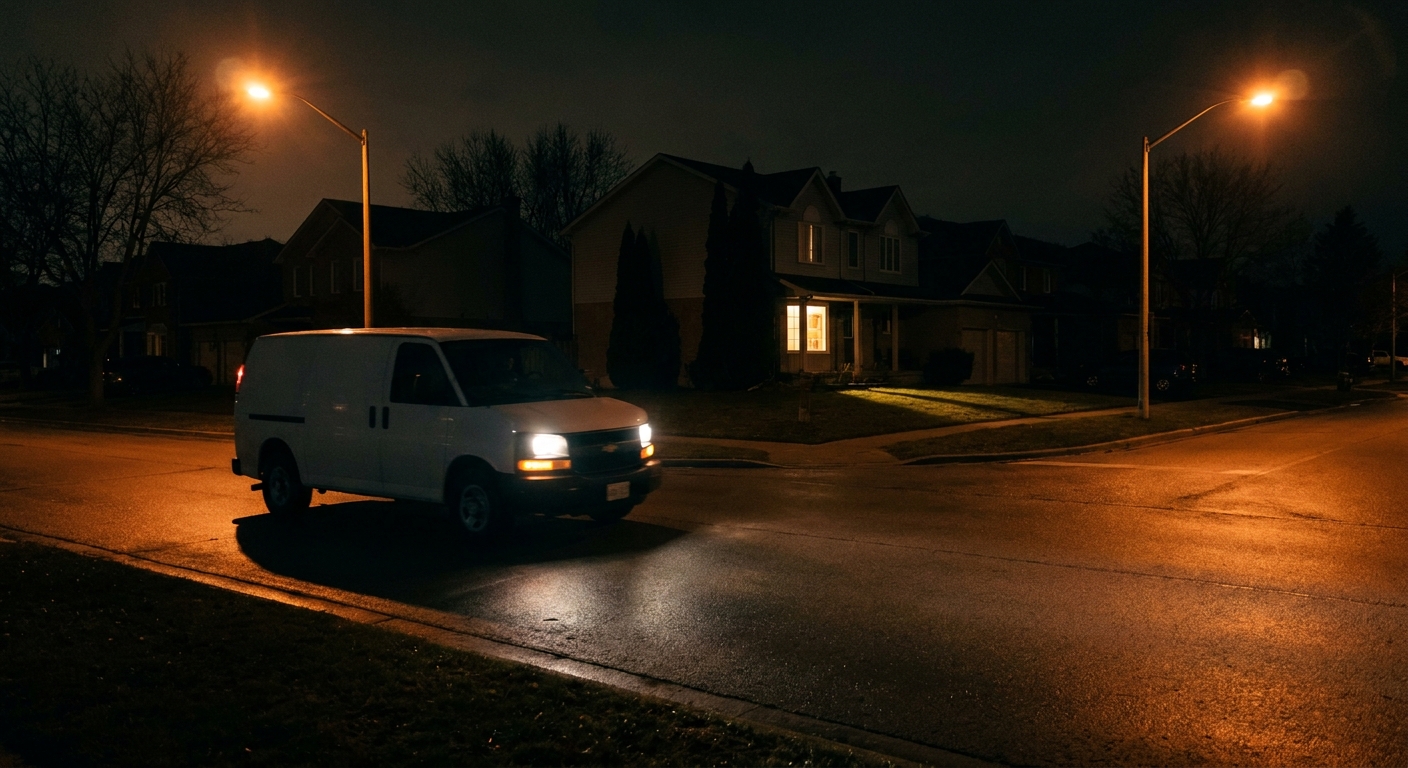
It's 9:47 PM on a Tuesday in July. A homeowner's AC just died. The house is 84 degrees. They've got two kids, a dog, and a wife who is not happy. They grab their phone and start calling HVAC companies.
The first one rings out. The second goes to voicemail. The third? Picks up on the second ring and books the job for first thing tomorrow morning.
Guess who just won a $4,200 system replacement.
If your phone isn't being answered after hours, you're not just missing calls — you're handing money directly to your competitors. And in 2026, with AI receptionists like PickupBell costing less than a single missed service call per month, there's no excuse left.
How Much Money Are You Actually Losing?
Let's run real numbers. The average HVAC company misses 20-30% of inbound calls during business hours, and that number jumps to nearly 100% after 5 PM if you don't have coverage.
Here's what the math looks like for a typical small-to-mid HVAC operation:
- Average inbound calls per week: 75
- After-hours calls (nights, weekends): ~25
- Average ticket value (service + repair): $385
- Conversion rate when answered fast: 60%
A recent study found that 78% of customers hire the first contractor who answers. Not the cheapest. Not the highest-rated. The first one to pick up the phone. If you want to dig deeper into how response time affects your bottom line, we covered it in detail in How HVAC Companies Lose Customers to Slow Response Times.
The Hidden Cost: Your Reputation
Missed calls don't just cost you the job — they cost you the review, the referral, and the lifetime value of that customer. Homeowners who can't reach you leave 1-star reviews like "called three times, no answer." That kind of damage compounds. We broke this down in How Fast Phone Answering Builds a 5-Star HVAC Reputation.
Why Traditional Solutions Don't Cut It Anymore
Most HVAC owners try one of three things to handle after-hours calls:
1. Voicemail
The worst option. 80% of callers hang up on voicemail without leaving a message. They're already moving to the next contractor on the list before your beep finishes.
2. Forwarding to Your Cell
You're already running calls all day. Now you're answering the phone at 11 PM while trying to sleep, eat dinner with your family, or finish a brake job in the parking lot. Burnout is real, and quality of service drops fast.
3. Answering Services
Traditional answering services charge $1.50-$2.50 per minute and often run $400-$800/month. Worse, the operators don't know your business. They take a name and number and pass it along — meaning the customer still waits hours for a callback while another contractor lands the job.
We did a full breakdown of the cost differences in AI vs Human Receptionist: Real Cost Comparison for Contractors. Spoiler: AI wins by a mile.
What 24/7 AI Phone Coverage Actually Looks Like
This is where things have completely changed in the last 18 months. AI receptionists now sound like real people, understand HVAC terminology, and handle the entire call — not just message-taking.
With a service like PickupBell, here's what happens at 11 PM when that AC-out call comes in:
The customer gets help immediately. You get a confirmed job on the schedule. Nobody loses sleep.
Your Next Job Is One Missed Call Away.
PickupBell answers every call and books jobs directly on your calendar — 24/7, automatically. $199/month.
Start Free TrialWhat About Spam and Junk Calls?
Good AI systems also filter out robocalls and spam automatically — so you're not getting woken up at 2 AM by warranty scams or solar telemarketers. That alone is worth the price of admission for most owners.
The Emergency Call Math Nobody Talks About
Here's something most HVAC owners underestimate: emergency after-hours jobs pay 1.5x to 2x your normal rate. A weekend furnace replacement in January isn't a $4,000 job — it's a $6,500 job. A holiday AC failure in August? Customers will pay whatever it takes.
If you're missing even two emergency calls per month, you're leaving $10,000-$15,000 on the table monthly. That's $120,000-$180,000 annually that's going to whoever picked up the phone.
For $199/month — see PickupBell's pricing — you're capturing that revenue automatically. The ROI math isn't even close.
How to Roll Out 24/7 Coverage Without Headaches
If you're sold on the concept, here's the practical rollout most HVAC and plumbing companies follow:
Most owners are fully live within a week. For more HVAC-specific guidance, check our HVAC operations guide.
What Plumbers Should Know Too
If you're running a plumbing business, the same logic applies — maybe more so. Burst pipes don't wait for business hours. We covered the plumbing-specific angle in After-Hours Call Answering: Why It Matters for Plumbers and our full plumber's guide.
Key Takeaways
- HVAC companies lose an average of $300,000+ per year in missed after-hours revenue
- 78% of customers hire the first contractor who answers — speed beats price and reviews
- 80% of callers hang up on voicemail without leaving a message
- Traditional answering services cost $400-$800/month and don't book jobs — they just take messages
- AI receptionists like PickupBell answer 24/7, book appointments, and filter spam for $199/month
- Emergency after-hours jobs pay 1.5x-2x your normal rate — missing them hurts twice
- Most HVAC companies can be fully live with 24/7 AI coverage in under a week